AgricultureNational
UGANDA: MAAIF UNVEILED NORTHERN UGANDA NEEDS 22 M COFFEE SEEDLING FOR GENERATION CROPPING FOR SMART FARMING
1 million coffee is being supply to Acholi Sub Region out of 22 million coffees demanded, Acholi Cultural Revival, Rocco Paco among the beneficiary
Calls for Action as Coffee Seedlings Reach Northern Uganda
Gulu City – Friday, April 17, 2026
By Okumu Livingstone Langol, Our Correspondent
On the morning of April 17, 2026, Gulu City woke to warm, humid conditions as two trucks loaded with 50,000 coffee seedlings arrived from Wakiso District. The delivery marked the first phase of a broader initiative to expand coffee growing across Northern Uganda.
The exercise drew attention from local leaders and the media after the district’s Production Head, Emmanuel Omony Paco-too, rallied journalists at the Northern Uganda Media Club to witness what officials described as a turning point for agriculture in the Acholi sub-region.
Opening the event, District Agricultural Officer Kilama Timothy emphasized collective responsibility, calling on residents to actively participate and hold one another accountable in ensuring the success of the program. A prayer led by Rev. Samuel Kibwota of the Northern Uganda Anglican Church set the tone for the occasion.
Farmers from Bwongatira Sub-county, religious leaders, and seedling suppliers gathered for the launch, with officials highlighting the program’s potential to improve household incomes and strengthen rural economies.
According to district authorities, Gulu had requested one million coffee seedlings from the Ministry of Agriculture. From this allocation, 50,000 seedlings were immediately distributed to the Bwongatira Coffee Farmers Cooperative, while an additional 150,000 are expected within two weeks for distribution across church dioceses and neighboring areas such as Omoro District.
Julius Twine, a senior agricultural officer from the Ministry, described the rollout as part of a long-term strategy to promote coffee as a driver of economic transformation. Drawing comparisons with regions like Buganda and Toro, he noted that established coffee-growing communities often enjoy greater financial stability.
He pointed to the previous day’s distribution of 350,000 seedlings in Nwoya District as evidence of growing enthusiasm, recalling how communities celebrated the initiative. Twine argued that expanding coffee production could also help address social challenges in areas where economic opportunities are limited.
District officials, including Assistant Chief Administrative Officer Odwar Santa, stressed the importance of transparency and proper supervision during distribution. She urged local leaders to ensure that quality seedlings are delivered and properly managed from planting through maturity.
Leaders such as Komakech Michael echoed these concerns, while Vice Chairperson Atim Vicky warned of practical challenges—particularly free-ranging livestock and bush burning—that could threaten young plantations if not controlled.
To support farmers, the Ministry plans to provide additional inputs such as banana suckers for mulching, shade trees, and leguminous crops. These measures are part of a climate-smart agriculture approach aimed at improving survival rates and long-term productivity.
Officials say the broader goal is ambitious: to enable Northern Uganda to produce up to three million bags of coffee within three years. With proper spacing, soil management, and farmer commitment, they believe the region can become a major contributor to national output.
The initiative also involves collaboration with cultural institutions, including the Rocco Paco Cultural Revival, associated with Emeritus Chief Justice Owiny-Dollo and Ambassador Olara Otunnu, to strengthen community mobilization.
For farmers like Odong Ronald of Bwongatira, the program offers renewed hope. Inspired by his father’s legacy in coffee farming, he plans to expand his acreage, expressing confidence that the crop will improve livelihoods in his community.
Meanwhile, Bwongatira Coffee Farmers Association Chairperson Ojara Lutada noted that although the group initially targeted over 600 farmers, only 171 have registered so far,highlighting the need for greater mobilization.
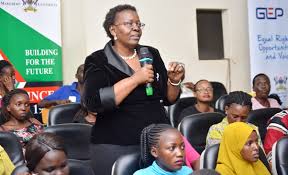
At the 5th Northern Uganda Trade Show, prominent farmer and regional coordinator Oyella Jenny Winnifred shared her journey in coffee farming. Managing 17 acres and aiming to expand to 30 by the end of 2026, she reflected on both her successes and setbacks, including reduced yields caused by drought and lack of irrigation.
Despite these challenges, she emphasized value addition, farmer collaboration, and knowledge-sharing as key to success. She encouraged farmers to organize themselves into associations, adopt intercropping, and seek technical guidance to maximize productivity and income.
Overall, the distribution of coffee seedlings signals a renewed push to strengthen agriculture in Northern Uganda, with leaders and farmers alike hopeful that the initiative will translate into lasting economic transformation