Global PoliticsHealth
UGANDA:Lenacapavir rollout sparks hope amid Gulu’s worrying HIV infections.
“There are many ways to protect yourself if you are sexually active — one of them is using the Lenacapavir injection, which is safe,”

By Okumu Livingstone Langol, Uganda Correspondent
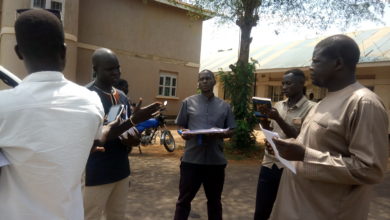
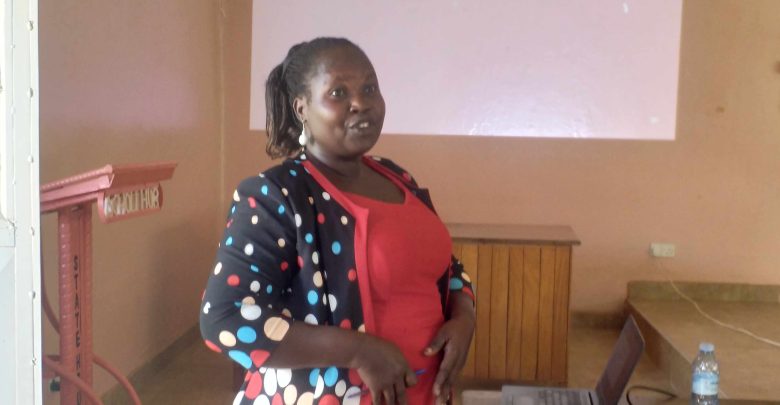
On a recent day in Gulu, peer counsellor Susan Kipwola stood before journalists and made an impassioned plea: “HIV is real,” she said, as dozens of reporters took notes at a health café organised by the Health Journalism Network (HEJNU).
“There are many ways to protect yourself if you are sexually active — one of them is using the Lenacapavir injection, which is safe,” she added.
Uganda officially launched Lenacapavir, a twice‑yearly injectable HIV prevention drug (Pre‑Exposure Prophylaxis), at Lira Regional Referral Hospital on April 17, 2026. Kipwola, 28, was among the first 40 people to receive the injection in Gulu. Since then, the city has received 120 doses, all quickly used up due to high demand.
“Hopefully more will be sent because the demand is high,” said Florence Amito, Gulu City HIV Focal Point Person.
Her concern, however, is that HIV infections continue to rise despite the availability of HIV prevention methods. Between January and March, Gulu City recorded 480 new HIV cases, half of them among people aged 30 to 49.
“These cases could have been prevented if people used HIV prevention methods,” Amito said, pointing to oral PrEP, which is available at all Health Center IIIs in Gulu.
She noted that HIV “hot spots” in the city include areas around Buganda Pub, Cuk Oweka Market, Acholi Road, Lacor Market, and areas near Gulu University. “We usually go there to offer services to our daughters and sons to stop more infections,” she explained.
Amito also pointed to USAID funding cuts earlier this year as a driver of new infections. With many health facilities and community organisations financially stretched, HIV services were reduced.
“Before Donald Trump struck us with donor cuts, many NGOs and civil society groups supported HIV treatment. But many people were put at risk when services stopped,” she said.
She added that at that time some clients could no longer access antiretroviral drugs (ARVs) because They had to walk long distances to pick them up. Now, she notes, Village Health Teams (VHT) have been trained to carry out community outreaches.
Currently, Uganda’s HIV prevalence stands at 7 percent, while in Gulu City it is 9 percent.
Stella Ayaa, in‑charge of Bardege Health Center III, emphasised the need to equip teachers and school patrons with HIV prevention knowledge, saying this would help reduce infections among students.