Global PoliticsHealth
UGANDA: EBOLA FEARS STOPPED COFFI OLOMIDE’S OCTOBER 9, OCTOBER CONCERT IN GULU CITY AS NORTHERN UGANDA FACES MILLIONS LOSES

The live band was supposed to be performed by a musician from the DRC. Koffi Olomide was blocked by the Health Ministry for fears of contracting Ebola, the statement read. Beyond the concert itself, the uncertainty highlights the vulnerability of the region’s growing entertainment and hospitality sector to public health emergencies.
For many businesses, major concerts are simply social gatherings; they are economic events that stimulate spending, create temporary employment and attract visitors from different parts of the country and beyond.
GULU CITY-FRIDAY OCTOBER 9,2026
By Okumu Livingstone Langol (Uganda Correspondent)
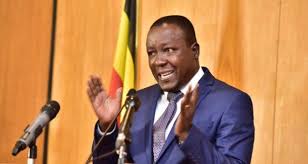
Dr. Christ Baryomuznusi gave the directive to stop the Koffi Olomide show in Gulu City scheduled for Independence Day, October 9, at Kaunda Ground, arguing that the reported threat of Ebola has raised public health fears among people from DR. Congo crossing into the country, importing Ebola to Uganda and beyond.
The reported threat of Ebola has raised concerns about the possible disruption of Koffi Olomide’s anticipated October concert in Gulu City, creating uncertainty for the entertainment industry, business operators, event organizers and other stakeholders who expect to benefit financially from the event.
If public health fears discourage people from attending the concert, Northern Uganda could face significant financial losses. Hotels, guesthouses, restaurants, transport operators, entertainment businesses, traders and other service providers may miss an opportunity to generate income from visitors expected to travel to Gulu City for the performance.
The organiser of musician Koffi Olomide, in a painstaking appeal, informed dear clients who have booked for the show that although the Koffi Olomide concert has been concealed at 11 hours, Koffi Olomide and his contingents, their show postponement will be rescheduled when Ebola pandemic threat is no more
Outbreak Status and Numbers (As of October 2026)
Total Cases and Deaths: According to reports from the European Centre for Disease Prevention and Control, the DRC has reported 8,603 confirmed cases and 4,148 related deaths.
Hospitalisation: Around 896 patients are currently isolated in hospitals.
Geographic Spread: While Ituri remains the most heavily impacted area (with major health zones like Bunia, Rwampara, and Mongbwalu affected), cases and imported/secondary risks have touched eastern regions including North Kivu (near Goma) and neighbouring border areas
The Minister of Health on Tuesday this week reported its fifth Ebola death; the health minister revealed that a Kenyan man who had been living in the Democratic Republic of Congo died shortly after returning to the country.
The man, who has not been named, fell ill around a month ago and had been treated in the DRC, Health Minister Aden Duale told reporters, before travelling overland to the Ugandan capital, Kampala, and then flying to Nairobi on October 3.
He added that he was screened and confirmed positive for the deadly virus, saying that the man “regrettably passed on last night at around 1130”.
Duale said that they had listed 28 contacts of the deceased, including family members and healthcare workers, but that so far “only one test has turned positive and is the one that we have just discussed”.
“I wish to assure the public not to panic, as all systems are in place to mitigate the spread of the disease,” he added.
Kenya has never previously recorded an Ebola case, and Kenyans reacted furiously to government plans earlier this year for the creation of an Ebola facility at Laikipia Air Base, about 200 kilometres (125 miles) from Nairobi.
The DRC declared its 17th Ebola outbreak in mid-May. The disease has killed more than 15,000 people in Africa over the past 50 years.
As of October 2, the World Health Organisation had recorded 4,082 deaths out of 8,463 cases since the emergence of the Bundibugyo strain of the virus, for which there is still neither a vaccine nor a specific treatment.
Kenya’s health ministry official Patrick Amoth said the patient might have passed screening after taking medications that masked his symptoms.
After arriving at the airport in Kenya’s capital, he was transferred by a relative to a hospital in the city where he died, and was buried on Tuesday in line with health safety guidelines.
Kenyan authorities have urged people not to panic, with the health ministry assuring heightened surveillance at airports and border crossings.
But Dr Dennis Miskellah, a representative from Kenya’s main doctors’ union, said the Ebola case did not come as a surprise to him and most health workers.
International Media has reported “lapses” at various border points, including with neighbouring Uganda and Tanzania, as well as at Kenya’s main airport.
“How could you have been sick for almost a month plus in DR Congo, come all the way to the country through not just any small border point, but the main entry point, the main gateway into the country and pass unnoticed?