Uncategorized
UGANDA: THE IMPORTANCE OF AID CUTS ON HIV BY DONALD TRUMP: HIV CLIENTS BECOME A DEAD TRAP
We train teachers, Matron and school patrons on HIV care.

As US President Donald Trump cut HIV donations, many HIV clients in Gulu City have died silently. The HIV focal person for Gulu City admitted that although Uganda government has more ARV surplus, due to a shortfall in the budget when the Donation was cut for HIV, many clients who used to get ARV drugs through Village Health abandoned their drugs.
GULU CITY-FRIDAY June, 19,2026.
By Okumu Livingstone Langol, Uganda Correspondent
Northern Uganda Media Club (NUMEC), on Friday, June 19, trained dozens of Journalists on HIV café to be part of HIV advocacy due to the new HIV infection, which has risen to 480. Remaining them, many HIV clients have passed on due to changes in US foreign policy, as Donald Trump stopped funding.
“Before Donald Trump struck us with the HIV ban, there were many Non-Governmental Organization (NGOs) Civil Societies Organization who were supporting HIV treatment; currently, we are losing many of our clients because the NGOs and CSOs were giving and providing treatment to the community. With that, we have lost many people, because we have HIV ARV drugs.”
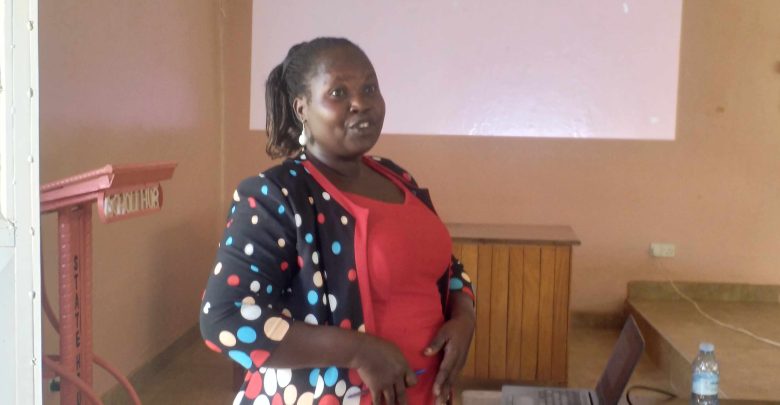
Florence Amito, Gulu City HIV focal point health worker, insisted that as a result of Donald Trump cutting HIV, many of their clients who were getting ARVs stopped getting ARVs because of long distances walking to pick up their ARV drugs. This resulted in losing more clients until we trained Village Health Teams for the outreaches.
These HIV clients had formed groups that coordinated their movement to get ARVs, and since they had abandoned their village focal points, we reactivated them by training VHTs, who we now use to reach areas.
With that we have saved more lives. Although we could ascertain the number of people who died with HIV infection as a result of the Donald Trump band of HIV TO Uganda. Reasons that in Gulu City, we have key target populations. We are targeting these groups of people who are at high risk of contracting HIV.
“As we talk now, Gulu City has 9% HIV prevalence; Uganda has 7% HIV prevalence; the good news is that the government facilities offer ARV drugs.”
She added, in Gulu City we have a targeted population of 170 people; we’re now targeting these groups of people. These groups of people who are at high risk of contracting HIV: we have the transgender people, substance drug addicts, and sexual workers. We recognised them as minorities, disabled people living, child-headed family children, the elderly and young people,
The new HIV infection that the Ministry of Health guideline, as we are sitting, do, do we know our HIV status? Those who know their HIV status, raise up your hand, half of the journalists raised their hands to affirm their HIV status, although they did not mention it
We have integration for those who are on treatment; the Ministry of Health advises those who have HIV treatment, those people who tested positive. The Ministry of Health guideline recommends that, for example, if 5 of us tested positive, we should be linked to a care centre.
Currently, new HIV infections stand at 480; we managed to cut off those 30-49 years old; they constitute 50% of HIV. We have children from zero age to 9 years: male 101, female 119; 10-14 years old, male 144, female 151.
We have age brackets: 20-24 male 294, female 642, 25-29 male 293, female 141, 30-49 male 3225, female 2720.
We have many hot spots in Gulu City; we visited them to offer them medical services. We have visited Buganda Pub; we usually go to them to offer services to our daughters and sons to stop those who have not acquired HIV, and we give services to those who have already acquired HIV, women in Cuk Oweka, House of Finance on Acholi Road, Lacor Market and Gulu University.
And in other communities, we use experts on HIV, and we trace our clients who have abandoned treatment; we have village Health Team integration to be those who are intended for HIV to avoid stigma.
Three years back, Gulu City had 11% HIV prevalence; however, drivers of HIV in Gulu City are from areas with people coming from neighboring districts, in Acholi Sub-Region and cities like Lira and Arua cities, including Elegu Uganda/Sudan market.
How can we stop new infections of HIV from our children?
Amito, the Gulu City HIV focal point person, her narrative discourse came to stand still, Amito tempter changed; her eyes turned red, as well as her entire body came erect. She paused for a moment and opened her wide mouth. Telling us, the NUMEC journalists.
As a mother or parent, children who are girls need attention; personally, when my daughters tell me and I must give money for care. I am very much to get them money; if I don’t give them money, men there will provide.
Those who are providing will take the opportunity; for boys, they will get HIV from some women like us.
We train teachers, Matron and school patrons on HIV care.
Dr. Stella Oyat, the In-charge of Bardege-Layibi Health Center III, her narrative was impressive to listen to, giving the background that we train teachers and school patrons, and the Matron teaches them to take care of students who are on HIV treatment, because students are part of drivers.
To those young youths, we know they are young, but their administration takes care of their HIV. These young groups, their peer pressure, and we know economic hardship viability let them enter into prostitutions. Those who are substance abusers are part of the trouble we are experiencing.